Skip to content

Product comparison

LG Gram Pro 16 vs ASUS ROG Zephyrus G14: Which Should You Buy?

Compare LG Gram Pro 16 and ASUS ROG Zephyrus G14 by portable performance, battery life, display quality, keyboard feel, ports, upgrade limits, and student.

Updated 2026-07-30

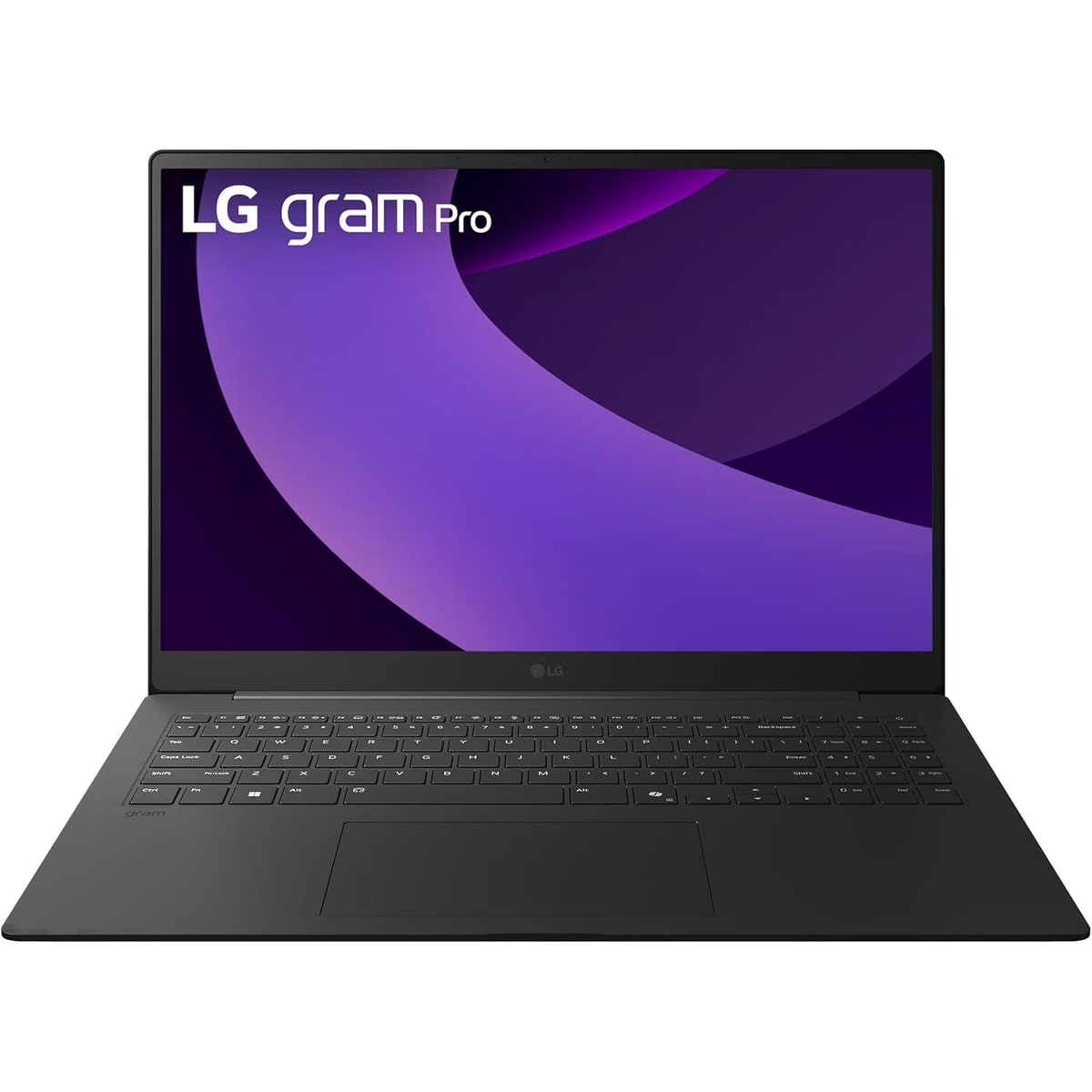
LG LG Gram Pro 16

LG Gram Pro 16

$1,399

View product
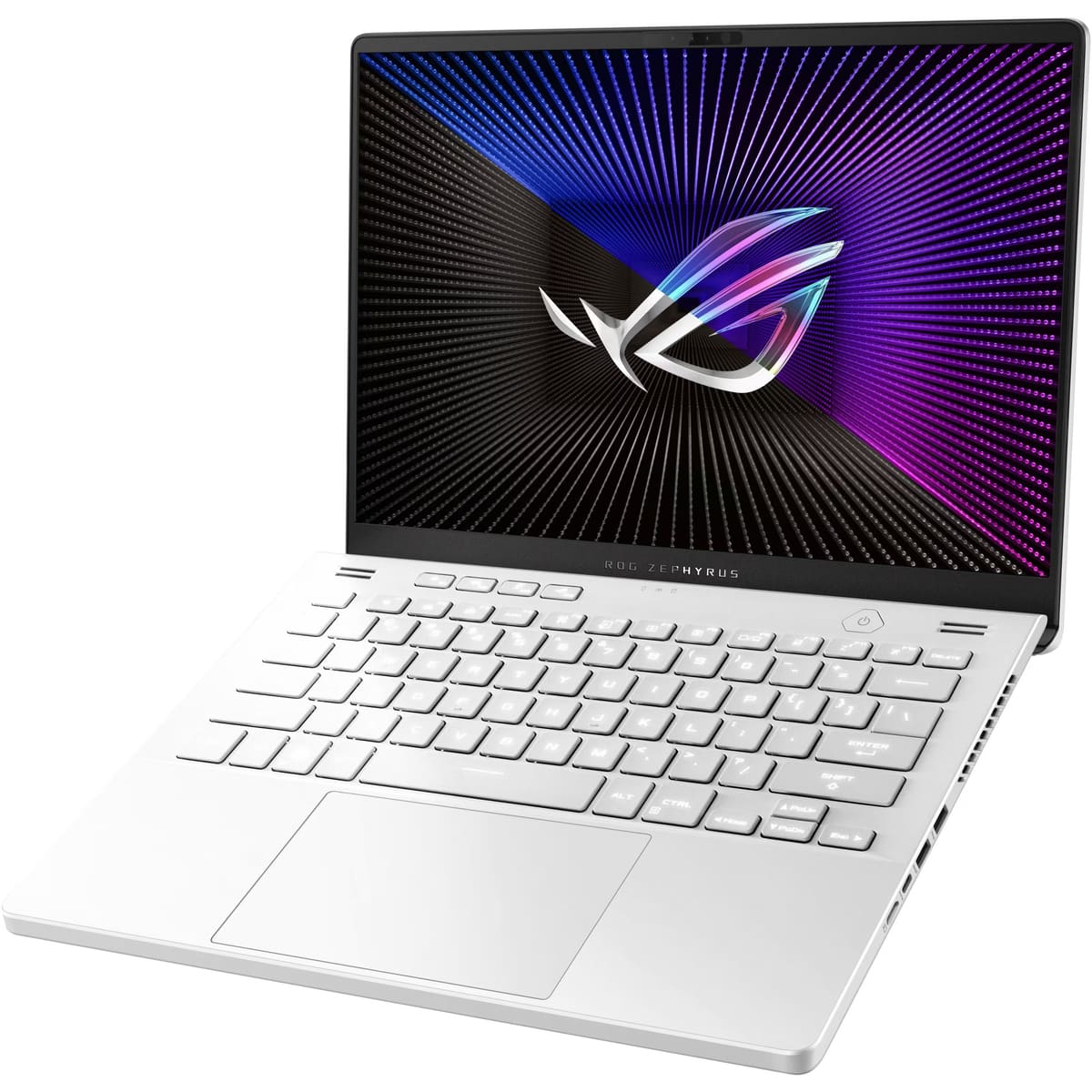
ASUS ASUS ROG Zephyrus G14

ASUS ROG Zephyrus G14

$1,399

View product

Buying decision

LG Gram Pro 16 is the more defensible choice for large lightweight laptop and portable creation; ASUS ROG Zephyrus G14 is the better fit when portable gaming and creator work matters more than the price gap and its different ownership trade-offs.

Put LG Gram Pro 16's strengths in large lightweight laptop and portable creation against ASUS ROG Zephyrus G14's fit for portable gaming and creator work. The first model asks you to accept display or speaker quality can feel average once you leave the desk; the second asks you to accept discrete graphics options raise heat, noise, and price quickly. Choose the product whose drawback is less likely to interrupt the way you actually use it, then confirm the exact US configuration before checkout.

LG Gram Pro 16

Pick LG Gram Pro 16 if its strengths match your routine

LG Gram Pro 16 makes sense for buyers who want large lightweight laptop, travel work, battery life and can find it near $1399. Its main advantage is not one isolated spec; it is the way the price, support story, and daily ownership trade-offs line up for shoppers who already know they want this type of laptops option.

ASUS ROG Zephyrus G14

Pick ASUS ROG Zephyrus G14 if you value its trade-off more

ASUS ROG Zephyrus G14 is the better starting point for shoppers who want portable gaming, creators, OLED gaming. At about $1399, it should be judged by whether those strengths remove a real daily problem. If they do, the competing product's lower price or different feature mix may matter less.

Key differences

  • LG Gram Pro 16 is positioned around large lightweight laptop and travel work, while ASUS ROG Zephyrus G14 leans toward portable gaming and creators.
  • The price context matters: LG Gram Pro 16 is tracked near $1399, while ASUS ROG Zephyrus G14 is tracked near $1399.
  • LG Gram Pro 16's main watch-out is Street pricing can change quickly, whereas ASUS ROG Zephyrus G14's main watch-out is Battery life drops under GPU load.
  • Both products belong in the same laptops shortlist, but they solve different buying problems rather than being interchangeable spec-table neighbors.

Winner by use case

student work

LG Gram Pro 16

LG Gram Pro 16 is the better match for student work because its buyer profile, pricing context, and day-to-day strengths line up more cleanly with that job than the alternative on this page.

portable productivity

ASUS ROG Zephyrus G14

ASUS ROG Zephyrus G14 is the better match for portable productivity because its buyer profile, pricing context, and day-to-day strengths line up more cleanly with that job than the alternative on this page.

creative workloads

LG Gram Pro 16

LG Gram Pro 16 is the better match for creative workloads because its buyer profile, pricing context, and day-to-day strengths line up more cleanly with that job than the alternative on this page.

long-term value

ASUS ROG Zephyrus G14

ASUS ROG Zephyrus G14 is the better match for long-term value because its buyer profile, pricing context, and day-to-day strengths line up more cleanly with that job than the alternative on this page.

Price and buying timing

LG Gram Pro 16 is tracked at $1399, about 18% below its $1699 launch reference, while ASUS ROG Zephyrus G14 is tracked at $1399, about 13% below its $1599 launch reference. Their current editorial references are equal, so configuration, warranty, and retailer terms should break the tie. LG Gram Pro 16 remains a current-market option, but the exact US SKU and checkout price still need a retailer check; ASUS ROG Zephyrus G14 remains a current-market option, but the exact US SKU and checkout price still need a retailer check. These figures are not live offers, so re-check retailer pricing and return terms before buying.

Recommendation

Quick verdict

ASUS ROG Zephyrus G14 and LG Gram Pro 16 are close. Choose ASUS ROG Zephyrus G14 if you care more about portable gaming and creator work; switch to LG Gram Pro 16 if its own strengths fit your routine better.

Winner for most buyers

ASUS ROG Zephyrus G14

Choose ASUS ROG Zephyrus G14 if portable gaming matters more than chasing the absolute top-tier option. Skip it if battery life drops under gpu load.

LG Gram Pro 16

Overall score: 8.4 / 10

Best for: large lightweight laptop, portable creation

ASUS ROG Zephyrus G14

Overall score: 8.5 / 10

Best for: portable gaming, creator work

Side-by-side

Specification comparison

20 tracked specs across 9 groups

Every value shows its editorial trust state. “Needs confirmation” means the field has not completed field-level source review; it does not mean the value is known to be wrong.

LG Gram Pro 16
ASUS ROG Zephyrus G14
Display
Display
16-inch 16:10 2.8K OLED
Source citedLG
14-inch OLED, 120Hz
Source citedASUS ROG
Panel Type
OLED
Source citedLG
OLED
Needs confirmation
Refresh Rate
Up to 120Hz
Source citedLG
120Hz
Source citedASUS ROG
Resolution
2880 x 1800
Source citedLG
2560 x 1600 or 2880 x 1800 class
Needs confirmation
Performance
Processor
Intel Core Ultra 7
Source citedLG
AMD Ryzen 9 class processor
Needs confirmation
Graphics
Intel integrated or NVIDIA RTX laptop GPU configs
Needs confirmation
NVIDIA GeForce RTX laptop GPU
Needs confirmation
Memory
16GB / 32GB
Needs confirmation
16GB / 32GB
Needs confirmation
Memory Type
Soldered LPDDR5X
Source citedLG
Soldered LPDDR5X
Needs confirmation
Storage
Storage
1TB SSD class
Needs confirmation
1TB SSD
Needs confirmation
Battery
Battery
Around 10-16 hours light use
Needs confirmation
73Wh class battery
Source citedASUS ROG
Charging
USB-C PD charging
Needs confirmation
GaN USB-C / proprietary adapter support
Needs confirmation
Connectivity
Ports
USB-C, USB-A, HDMI, microSD, headphone jack
Needs confirmation
USB-C, USB-A, HDMI, headphone jack
Needs confirmation
Wireless
Wi-Fi 6E / Wi-Fi 7
Needs confirmation
Wi-Fi 6E / Wi-Fi 7
Needs confirmation
Design
Weight
1,199g
Source citedLG
Around 1.5kg
Needs confirmation
Dimensions
Lightweight 16-inch chassis
Needs confirmation
Compact premium gaming chassis
Needs confirmation
Build
Lightweight magnesium premium chassis
Needs confirmation
Premium aluminum gaming design
Needs confirmation
Input
Keyboard
Backlit full-size keyboard
Needs confirmation
Backlit chiclet keyboard
Needs confirmation
Webcam
1080p webcam
Needs confirmation
1080p webcam
Needs confirmation
Software
Operating System
Windows 11
Needs confirmation
Windows 11
Source citedASUS ROG
Serviceability
Upgradability
Storage often upgradeable; RAM soldered
Needs confirmation
Storage often upgradeable; RAM soldered
Needs confirmation
Deeper editorial notes

When LG Gram Pro 16 is the safer start

Start with LG Gram Pro 16 if you want a clearer value story, fewer ownership surprises, and a purchase that is easier to defend after the return window closes. It is usually the better default when you already know the use case, care about total cost, and do not need to chase every premium feature on the shortlist. The main caution is that a neighboring model can still win if current US pricing, warranty terms, or ecosystem fit changes the math at checkout.

When ASUS ROG Zephyrus G14 is worth the jump

Choose ASUS ROG Zephyrus G14 when its advantages remove a problem you already feel day to day, whether that is comfort, performance headroom, battery behavior, software support, ports, or ecosystem fit. The extra spend is easier to justify when those strengths show up in weekly routines rather than one-off benchmarks. If those advantages do not map to your routine, keep the budget and buy the more practical option instead of stretching for a feature you will rarely use.

How to make the final call

Compare the two products around the jobs you repeat every week, not the one benchmark that looks best in isolation. Check current street pricing, return windows, warranty coverage, and any accessories you would still need to buy. If both remain close, prefer the option with the cleaner support path, better retailer return policy, and lower total setup cost across North America channels.

Alternatives if neither is right

Related rankings

Related guides