GPUs ranking
Best GPUs Under $500
Under $500, a GPU should buy playable settings and future-proofing without forcing an expensive power-supply or case rebuild. This ranking prioritizes 1080p and 1440p value, VRAM, efficiency, and total upgrade cost.
Updated 2026-07-27
Scores are editorial estimates based on public product data and the published category weights; they are not lab measurements.
Quick picks
Jump straight to the right product for your situation.
Best overall
Best value
Premium or specialist
Top pick
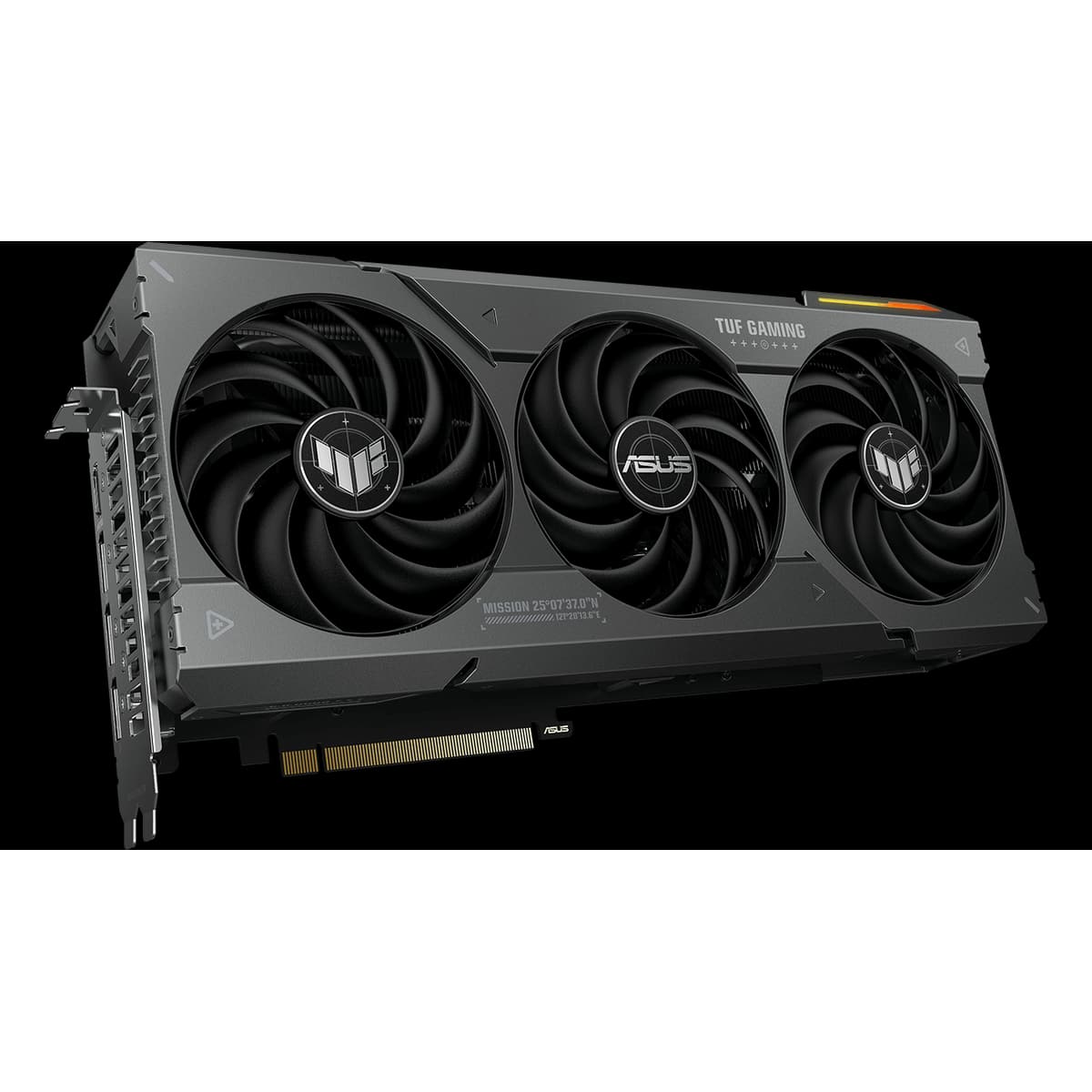
Radeon RX 7800 XT
Radeon RX 7800 XT is best suited to 1440p value and 16GB VRAM. Compare alternatives if this documented drawback would undermine that fit: Ray tracing still trails higher-tier cards in demanding titles.
- 1Editorial 8.1 / 10
Radeon RX 7800 XT
Radeon RX 7800 XT is best suited to 1440p value and 16GB VRAM. Compare alternatives if this documented drawback would undermine that fit: Ray tracing still trails higher-tier cards in demanding titles.
Why it ranks here
Radeon RX 7800 XT makes the cut because it delivers a strong mix of 1440p value and 16GB VRAM at about $429, with enough practical headroom to justify the upgrade over cheaper cards.
Buyer note
Skip it if ray tracing still trails higher-tier cards in demanding titles. Check case clearance, PSU headroom, and current street pricing before you commit.
Gaming 1440p
8.5
Gaming 4K
7.4
Ray Tracing
7.2
- 2Editorial 8.1 / 10
GeForce RTX 4070
Choose GeForce RTX 4070 for an Ada-based 1440p build with a 650W power budget. Skip it if a newer card offers materially better value at the price you can actually pay.
Why it ranks here
GeForce RTX 4070 makes the cut because it delivers a strong mix of efficient 1440p and compact midrange builds at about $449, with enough practical headroom to justify the upgrade over cheaper cards.
Buyer note
Skip it if driver maturity varies by title and launch window. Check case clearance, PSU headroom, and current street pricing before you commit.
Gaming 1440p
8.3
Gaming 4K
7.3
Ray Tracing
8.2
- 3Editorial 8.2 / 10
Radeon RX 7900 GRE
Choose Radeon RX 7900 GRE for an RDNA 3 build that prioritizes 16GB memory and 1440p-to-4K gaming. Confirm the specific partner card's physical size, outputs, PSU guidance, and price before buying.
Why it ranks here
Radeon RX 7900 GRE makes the cut because it delivers a strong mix of 1440p ultra and value high-refresh gaming at about $479, with enough practical headroom to justify the upgrade over cheaper cards.
Buyer note
Skip it if street pricing swings hard around new-generation launches. Check case clearance, PSU headroom, and current street pricing before you commit.
Gaming 1440p
8.6
Gaming 4K
7.8
Ray Tracing
7.3
- Editorial 84
GeForce RTX 5060 Ti
GeForce RTX 5060 Ti is best suited to efficient 1440p and compact builds. Compare alternatives if this documented drawback would undermine that fit: Street pricing swings hard around new-generation launches.
Why it ranks here
GeForce RTX 5060 Ti makes the cut because it delivers a strong mix of efficient 1440p and compact builds at about $379, with enough practical headroom to justify the upgrade over cheaper cards.
Buyer note
Skip it if street pricing swings hard around new-generation launches. Check case clearance, PSU headroom, and current street pricing before you commit.
- Editorial 7.75
Radeon RX 7700 XT
Radeon RX 7700 XT is best suited to discounted 1440p and midrange upgrades. Compare alternatives if this documented drawback would undermine that fit: Ray tracing still trails higher-tier cards in demanding titles.
Why it ranks here
Radeon RX 7700 XT makes the cut because it delivers a strong mix of discounted 1440p and midrange upgrades at about $349, with enough practical headroom to justify the upgrade over cheaper cards.
Buyer note
Skip it if ray tracing still trails higher-tier cards in demanding titles. Check case clearance, PSU headroom, and current street pricing before you commit.
- Editorial 7.46
GeForce RTX 4060 Ti
GeForce RTX 4060 Ti is best suited to efficient 1080p and small cases. Compare alternatives if this documented drawback would undermine that fit: Street pricing swings hard around new-generation launches.
Why it ranks here
GeForce RTX 4060 Ti makes the cut because it delivers a strong mix of efficient 1080p and small cases at about $329, with enough practical headroom to justify the upgrade over cheaper cards.
Buyer note
Skip it if street pricing swings hard around new-generation launches. Check case clearance, PSU headroom, and current street pricing before you commit.
- Editorial 8.27
Radeon RX 7900 GRE 16GB
Radeon RX 7900 GRE 16GB is best suited to 1440p ultra and value AMD builds. Compare alternatives if this documented drawback would undermine that fit: Driver maturity varies by title and launch window.
Why it ranks here
Radeon RX 7900 GRE 16GB makes the cut because it delivers a strong mix of 1440p ultra and value AMD builds at about $479, with enough practical headroom to justify the upgrade over cheaper cards.
Buyer note
Skip it if driver maturity varies by title and launch window. Check case clearance, PSU headroom, and current street pricing before you commit.
- Editorial 8.18
GeForce RTX 4070 Ti
GeForce RTX 4070 Ti is best suited to discounted 1440p and Ada feature seekers. Compare alternatives if this documented drawback would undermine that fit: Street pricing swings hard around new-generation launches.
Why it ranks here
GeForce RTX 4070 Ti makes the cut because it delivers a strong mix of discounted 1440p and Ada feature seekers at about $649, with enough practical headroom to justify the upgrade over cheaper cards.
Buyer note
Skip it if street pricing swings hard around new-generation launches. Check case clearance, PSU headroom, and current street pricing before you commit.
Buying guide
Who this ranking is for
This list is for buyers who want a practical shortlist, not a spreadsheet of every release. Start here if you are choosing among mainstream options and care about 1440p value and 16GB VRAM more than novelty. If you already know you need a specialist tool, use the related guides and comparisons after you leave this page.
How to read the order
Radeon RX 7800 XT leads because it is the safest default for the widest set of buyers on this page. GeForce RTX 4070 is the main alternative when its strengths map more cleanly to your routine. Lower placements are not failures; they are better when price, ecosystem, or a specific feature matters more than the overall balance.
Budget and value notes
The best under-$500 card is often the one that hits a known good street price with enough VRAM, not the one with the newest badge. Leave budget for power delivery and airflow. On this shortlist, GeForce RTX 4070 Ti is the reminder that spending less can still be rational when the expensive option does not fix a problem you actually have.
What changed in this update
Reworked the under-$500 logic around street price, VRAM, and total upgrade cost rather than launch positioning alone. We also tightened each product note so the reason to buy and the reason to skip are explicit, and we refreshed the timing advice around current North America shopping patterns.
How we picked
- Street price versus real gaming performance is the core metric under $500.
- VRAM capacity matters because cheap cards with tiny memory age poorly.
- Efficiency and cooler size affect total upgrade cost and case fit.
- Feature set only earns points when it changes games you actually play.
- PSU recommendations and board size are treated as real purchase constraints.
Budget advice
The best under-$500 card is often the one that hits a known good street price with enough VRAM, not the one with the newest badge. Leave budget for power delivery and airflow.
Buying timing
Value swings hardest around launches and inventory clearances. Buy when the card you want hits a sensible street price. Wait if a new midrange wave is about to reset the segment.
Product sources and verification
Ranking order is editorial. The links below support identified product specification fields; unbadged data, current prices, configurations, and regional availability still require a checkout-time check.
- AMD Radeon RX 7800 XT specifications · Radeon RX 7800 XT · accessed 2026-07-29
- NVIDIA GeForce RTX 4070 family specifications · GeForce RTX 4070 · accessed 2026-07-29
- AMD Radeon RX 7900 GRE product specifications · Radeon RX 7900 GRE · accessed 2026-07-30
- NVIDIA GeForce RTX 5060 family specifications · GeForce RTX 5060 Ti · accessed 2026-07-29
- AMD Radeon RX 7700 XT specifications · Radeon RX 7700 XT · accessed 2026-07-29
- NVIDIA GeForce RTX 4060 Ti specifications · GeForce RTX 4060 Ti · accessed 2026-07-29
FAQ
Is 8GB VRAM enough under $500?
It can still work at 1080p, but more memory is safer if you want longer ownership or higher textures at 1440p.
Should I buy used instead?
Used can win on price, but only if the discount is large enough to offset weaker warranty protection and unknown wear.
Do I need ray tracing in this budget?
Not necessarily. Many buyers under $500 get more from stable high settings and better raster value than from turning every ray-traced effect on.
Related comparisons
Intel Arc A770 vs Intel Arc B580: Which Should You Buy?
Compare Intel Arc A770 and B580 by 16GB versus 12GB capacity, current 1440p value, board power, PCIe fit, application support, and price.
Intel Arc B570 vs Intel Arc B580: Which Should You Buy?
Compare Intel Arc B570 and Intel Arc B580 by 1440p performance, 4K headroom, VRAM, ray tracing, power draw, cooler size, and street price, price,.
Intel Arc B570 vs Radeon RX 7600: Which Should You Buy?
Compare Intel Arc B570 and Radeon RX 7600 by 1440p performance, 4K headroom, VRAM, ray tracing, power draw, cooler size, and street price, price,.
Related guides
1080p GPU Buying Guide
1080p GPU Buying Guide for North America shoppers, with practical links to products, rankings, comparisons, and category pages.
1440p vs 4K GPU Buying Guide
Choose between 1440p and 4K gaming by target frame rate, game type, upscaling quality, VRAM, monitor size, and total system cost.
DLSS vs FSR vs XeSS: Upscaling Compared
DLSS vs FSR vs XeSS: Upscaling Compared for North America shoppers, with practical links to products, rankings, comparisons, and category pages.